Raw masala forms an important part of many traditional fragrance products. From incense and agarbatti manufacturing to other aromatic applications, the quality of the raw ingredients can influence the final fragrance, consistency and overall product experience.
Choosing the right raw masala is therefore more than simply selecting ingredients based on appearance. Freshness, aroma, purity, sourcing and consistency all play an important role.
What Is Raw Masala?
Raw masala refers to natural aromatic ingredients and plant-based materials used as key components in fragrance and traditional products.
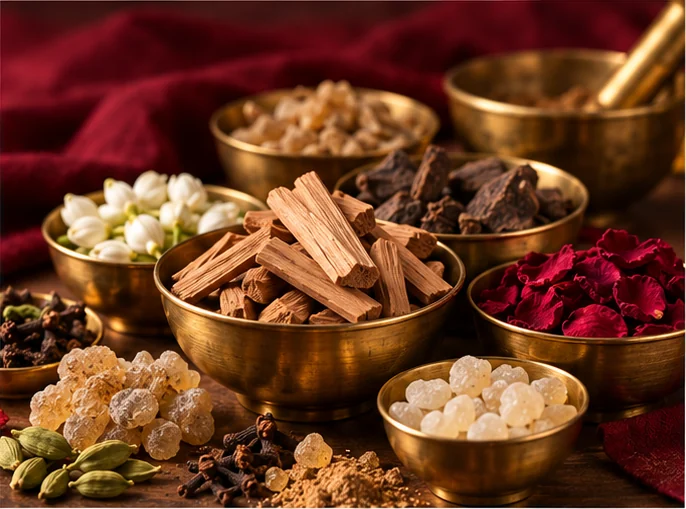
Depending on the application, raw masala may include herbs, spices, woods, roots, resins, seeds and other naturally aromatic materials.
These ingredients can provide distinctive fragrance characteristics and help create unique aromatic blends.
Why Quality Matters
The quality of raw masala has a direct impact on the final product.
High-quality ingredients can offer:
- Better natural aroma
- More consistent fragrance
- Improved blending characteristics
- Reliable product quality
- Better storage stability
- A more authentic fragrance experience
Poor-quality or improperly stored materials may lose their natural aroma or affect the consistency of the finished product.
1. Check the Aroma
Aroma is one of the most important factors when selecting raw masala.
Fresh aromatic materials should have a characteristic fragrance appropriate to the ingredient. A weak, stale or unusual smell can indicate poor storage, ageing or deterioration.
When evaluating ingredients, pay attention to:
Freshness → Strength → Character → Consistency
The fragrance should be clean and characteristic rather than excessively dull or unpleasant.
2. Look at the Quality and Appearance
Appearance can provide useful clues about the condition of raw materials.
Depending on the ingredient, look for:
- Natural colour
- Proper texture
- Uniformity
- Clean appearance
- Absence of unwanted particles
- Proper dryness
However, appearance should not be the only quality indicator. Aroma, source and storage conditions should also be considered.
3. Consider Purity
Purity is essential when sourcing raw masala for professional applications.
Ingredients should be free from unnecessary contaminants, foreign materials and unwanted additives. Reliable suppliers should have appropriate quality-control practices to maintain consistency between batches.
For businesses, maintaining consistent raw-material specifications can make the manufacturing process more predictable.
4. Understand the Source
Knowing where raw masala comes from can help businesses make better sourcing decisions.
Different regions and growing conditions can influence the characteristics of natural aromatic materials. Responsible sourcing also helps manufacturers maintain reliable supply and consistent quality.
When choosing a supplier, consider:
- Source of the ingredient
- Processing methods
- Storage practices
- Batch consistency
- Quality standards
- Supply reliability
5. Check Moisture and Storage
Proper moisture levels are particularly important for many natural raw materials.
Excess moisture can affect storage life and may contribute to deterioration. On the other hand, inappropriate drying or storage can also affect aroma and texture.
Raw masala should generally be stored in clean, dry and suitable conditions away from excessive heat, moisture and direct sunlight.
6. Choose Consistent Batches
For fragrance manufacturers, consistency is extremely important.
If the same ingredient changes significantly from one batch to another, the final fragrance may also vary.
Working with reliable suppliers and maintaining clear specifications can help businesses achieve greater consistency in their finished products.
Popular Raw Materials Used in Fragrance Applications
Different natural materials can contribute different aromatic characteristics.
Some commonly used categories include:
Woody Ingredients
Woody materials can provide warm, rich and grounding fragrance notes.
Herbal Ingredients
Herbal materials can add fresh, green and natural characteristics.
Spices
Spices can introduce warm, distinctive and complex aromatic notes.
Floral Ingredients
Floral materials can contribute soft, sweet and elegant fragrance profiles.
Resins
Natural resins can provide rich and deeper aromatic characteristics and have long been associated with traditional fragrance practices.
Raw Masala and Agarbatti Manufacturing
Raw masala can play an important role in developing the fragrance profile of agarbatti.
The selected ingredients may be processed and blended with other materials before the fragrance composition is developed.
A careful balance of ingredients helps manufacturers create fragrances that are distinctive while maintaining consistency throughout production.
How to Choose a Reliable Supplier
Selecting the right supplier is just as important as selecting the right ingredient.
Before placing large orders, businesses should evaluate:
- Product quality
- Sample consistency
- Packaging
- Storage conditions
- Documentation
- Delivery reliability
- Communication and support
Testing samples before committing to larger quantities can also help businesses evaluate whether the material meets their requirements.
The Importance of Responsible Sourcing
Natural raw materials are connected to agriculture, forests and local communities. Responsible sourcing can help support sustainable supply chains while maintaining access to quality ingredients.
For businesses working with natural fragrance materials, responsible sourcing is increasingly becoming an important part of long-term product development.
Finding the Right Balance
Choosing raw masala is ultimately about finding the right balance between quality, aroma, consistency and suitability for the intended application.
A carefully selected ingredient can become the foundation of a memorable fragrance, while consistent sourcing helps maintain that experience across products and batches.
At Lalaji Fragrance, we believe that great fragrances begin with thoughtful ingredient selection. From traditional aromatic materials to carefully developed fragrance blends, every ingredient has a role to play in creating a distinctive fragrance experience.