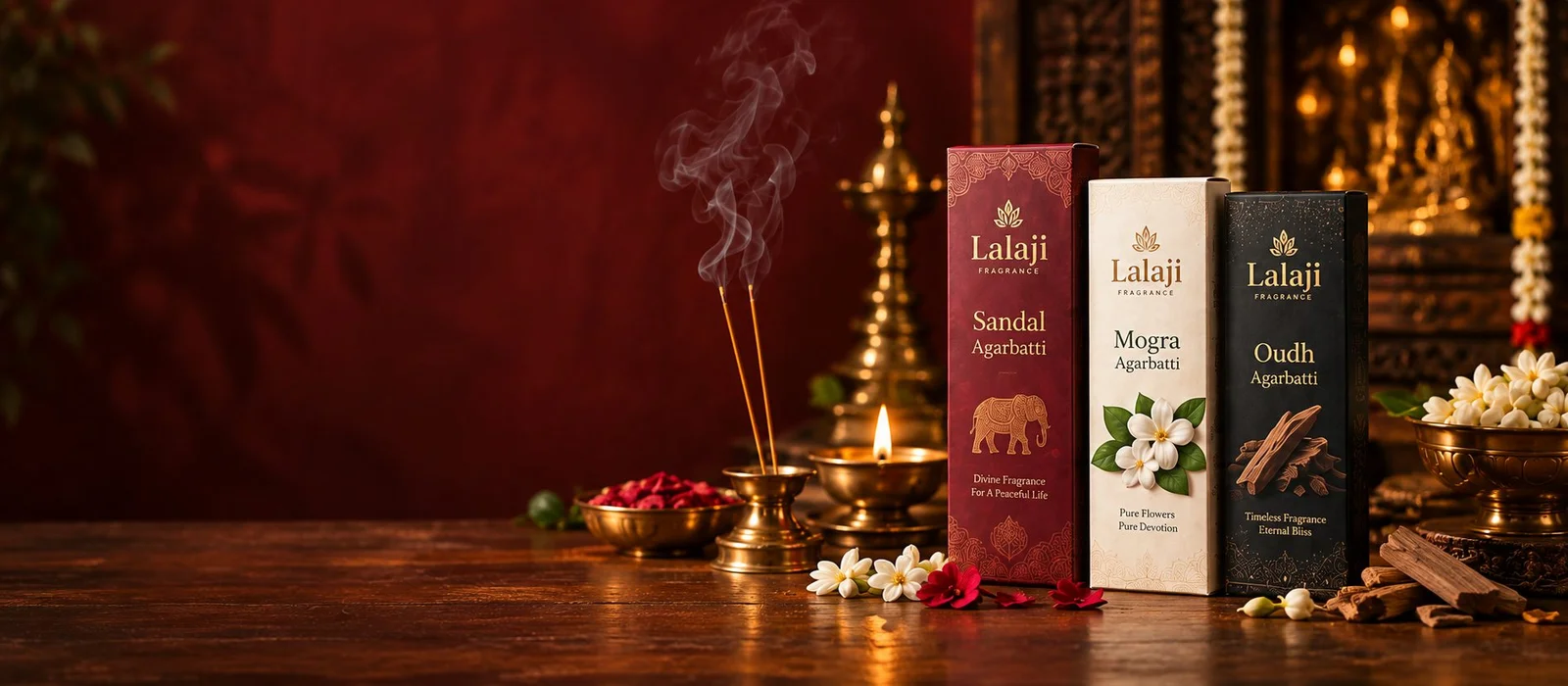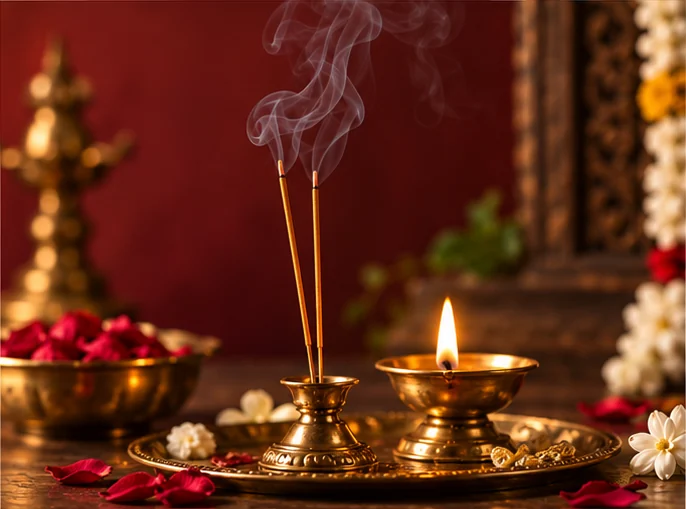
Agarbatti, commonly known as incense sticks, has been an integral part of Indian homes, temples and spiritual traditions for generations. Beyond its beautiful fragrance, agarbatti represents a blend of craftsmanship, tradition and carefully developed fragrance compositions.
From selecting the right raw materials to shaping, drying and perfuming the finished sticks, every stage plays an important role in creating a quality incense experience.
A Tradition Rooted in Fragrance
The tradition of burning incense in India dates back centuries. Fragrance has long been associated with prayer, meditation, ceremonies and creating a peaceful atmosphere.
Over time, agarbatti making has evolved from a small-scale traditional craft into a sophisticated manufacturing process while continuing to preserve the essence of traditional fragrance-making.
What Goes Into Making Agarbatti?
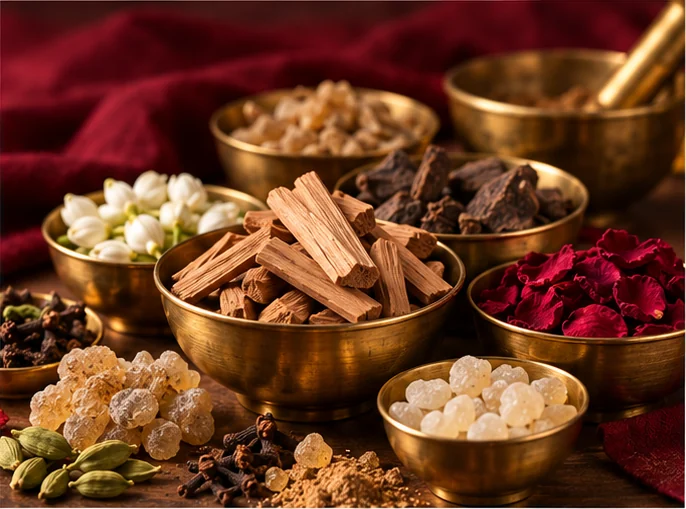
Quality agarbatti begins with carefully selected raw materials. Depending on the desired fragrance and type of incense, manufacturers may use ingredients such as natural aromatic materials, wood powders, herbal ingredients, binding materials and fragrance compounds.
Commonly used materials can include:
- Bamboo sticks
- Wood powders
- Charcoal
- Natural gums and binding agents
- Herbal and botanical ingredients
- Fragrance oils
- Natural aromatic materials
The quality and balance of these ingredients can significantly influence the burning performance, fragrance and overall experience of the finished agarbatti.
Step 1: Preparing the Base Materials
The first stage involves preparing and carefully measuring the ingredients required for the incense mixture.
Wood powders and other base materials are processed to achieve the appropriate consistency. The ingredients are then blended with binding materials to create a workable incense mixture.
A well-prepared base helps the agarbatti maintain its shape and burn consistently.
Step 2: Rolling the Agarbatti
One of the most recognizable stages of agarbatti production is forming the incense stick.
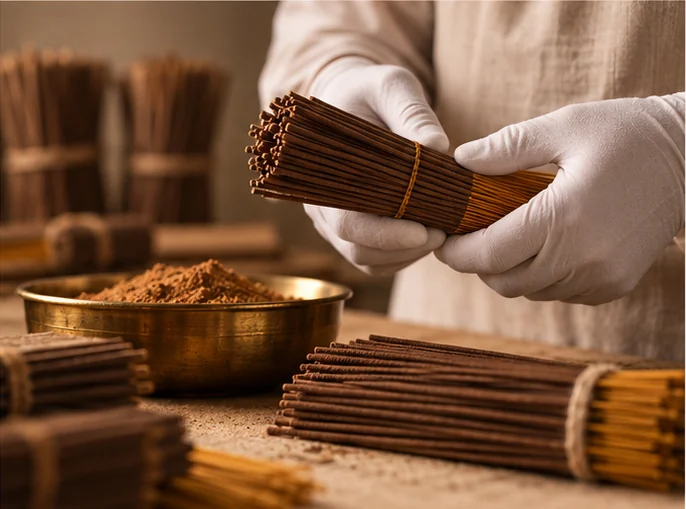
The prepared mixture is applied around a thin bamboo stick. Traditionally, this process was performed by hand, requiring skill and consistency.
Modern production methods may use specialized machinery to achieve uniform thickness and shape while maintaining efficient production.
Step 3: Drying the Sticks
After rolling, the freshly made sticks need to be dried properly.
Drying removes excess moisture and helps strengthen the incense sticks. Proper drying is important because moisture levels can affect how evenly an agarbatti burns.
Depending on the manufacturing process and environmental conditions, drying may be carried out naturally or through controlled drying systems.
Step 4: Creating the Fragrance
Fragrance is at the heart of every agarbatti.
Once the sticks are prepared and dried, they can be infused or coated with carefully developed fragrance compositions. Different fragrance profiles can be created using floral, woody, herbal, spicy, fresh or traditional aromatic notes.
Popular fragrance directions include:
- Sandalwood
- Mogra
- Rose
- Jasmine
- Oudh
- Lavender
- Floral blends
- Herbal fragrances
The fragrance formulation is carefully balanced to provide an appealing aroma while maintaining suitable burning characteristics.
Step 5: Quality Inspection
Quality control is an important part of professional agarbatti manufacturing.
Finished incense sticks can be checked for factors such as:
- Shape and uniformity
- Moisture content
- Burning performance
- Fragrance consistency
- Packaging quality
- Overall appearance
Consistent quality helps ensure that customers receive a reliable fragrance experience with every pack.
Traditional Craft Meets Modern Manufacturing
The modern agarbatti industry combines traditional knowledge with improved manufacturing technology.
While machines can help maintain consistency and increase production efficiency, the understanding of fragrances, raw materials and traditional incense-making remains an important part of the process.
This combination allows manufacturers to create products that respect traditional fragrance culture while meeting the expectations of today’s consumers.
Why Ingredient Quality Matters
The quality of raw materials has a direct impact on the final product.
Carefully selected ingredients can contribute to better fragrance characteristics, smoother burning and a more consistent finished product.
For this reason, responsible sourcing and proper handling of materials are important considerations throughout the manufacturing process.
More Than Just a Fragrance
For many people, lighting an agarbatti is part of a daily ritual.
Its fragrance can help create an inviting atmosphere during prayer, meditation, yoga or quiet moments at home. Different fragrances can also complement different environments, from traditional पूजा spaces to modern living rooms and workplaces.
The simple act of lighting an incense stick connects everyday life with a long-standing tradition of fragrance and ritual.
The Future of Agarbatti
As consumer preferences evolve, the agarbatti industry continues to explore new fragrance combinations, packaging concepts and manufacturing practices.
At the same time, interest in traditional Indian fragrances and mindful living continues to keep incense relevant in modern homes.
The future of agarbatti lies in bringing together tradition, craftsmanship, quality and thoughtful innovation.
The Craft Behind Every Stick
An agarbatti may look simple, but each stick represents several stages of preparation, craftsmanship and quality control.
From the selection of raw materials to fragrance development and final packaging, every step contributes to the experience.
At Lalaji Fragrance, the world of incense is rooted in an appreciation for fragrance, tradition and quality. Every fragrance tells a story — and every agarbatti carries a small part of that story into homes and spaces around the world.Agarbatti, commonly known as incense sticks, has been an integral part of Indian homes, temples and spiritual traditions for generations. Beyond its beautiful fragrance, agarbatti represents a blend of craftsmanship, tradition and carefully developed fragrance compositions.
From selecting the right raw materials to shaping, drying and perfuming the finished sticks, every stage plays an important role in creating a quality incense experience.
A Tradition Rooted in Fragrance
The tradition of burning incense in India dates back centuries. Fragrance has long been associated with prayer, meditation, ceremonies and creating a peaceful atmosphere.
Over time, agarbatti making has evolved from a small-scale traditional craft into a sophisticated manufacturing process while continuing to preserve the essence of traditional fragrance-making.
What Goes Into Making Agarbatti?
Quality agarbatti begins with carefully selected raw materials. Depending on the desired fragrance and type of incense, manufacturers may use ingredients such as natural aromatic materials, wood powders, herbal ingredients, binding materials and fragrance compounds.
Commonly used materials can include:
- Bamboo sticks
- Wood powders
- Charcoal
- Natural gums and binding agents
- Herbal and botanical ingredients
- Fragrance oils
- Natural aromatic materials
The quality and balance of these ingredients can significantly influence the burning performance, fragrance and overall experience of the finished agarbatti.
Step 1: Preparing the Base Materials
The first stage involves preparing and carefully measuring the ingredients required for the incense mixture.
Wood powders and other base materials are processed to achieve the appropriate consistency. The ingredients are then blended with binding materials to create a workable incense mixture.
A well-prepared base helps the agarbatti maintain its shape and burn consistently.
Step 2: Rolling the Agarbatti
One of the most recognizable stages of agarbatti production is forming the incense stick.
The prepared mixture is applied around a thin bamboo stick. Traditionally, this process was performed by hand, requiring skill and consistency.
Modern production methods may use specialized machinery to achieve uniform thickness and shape while maintaining efficient production.
Step 3: Drying the Sticks
After rolling, the freshly made sticks need to be dried properly.
Drying removes excess moisture and helps strengthen the incense sticks. Proper drying is important because moisture levels can affect how evenly an agarbatti burns.
Depending on the manufacturing process and environmental conditions, drying may be carried out naturally or through controlled drying systems.
Step 4: Creating the Fragrance
Fragrance is at the heart of every agarbatti.
Once the sticks are prepared and dried, they can be infused or coated with carefully developed fragrance compositions. Different fragrance profiles can be created using floral, woody, herbal, spicy, fresh or traditional aromatic notes.
Popular fragrance directions include:
- Sandalwood
- Mogra
- Rose
- Jasmine
- Oudh
- Lavender
- Floral blends
- Herbal fragrances
The fragrance formulation is carefully balanced to provide an appealing aroma while maintaining suitable burning characteristics.
Step 5: Quality Inspection
Quality control is an important part of professional agarbatti manufacturing.
Finished incense sticks can be checked for factors such as:
- Shape and uniformity
- Moisture content
- Burning performance
- Fragrance consistency
- Packaging quality
- Overall appearance
Consistent quality helps ensure that customers receive a reliable fragrance experience with every pack.
Traditional Craft Meets Modern Manufacturing
The modern agarbatti industry combines traditional knowledge with improved manufacturing technology.
While machines can help maintain consistency and increase production efficiency, the understanding of fragrances, raw materials and traditional incense-making remains an important part of the process.
This combination allows manufacturers to create products that respect traditional fragrance culture while meeting the expectations of today’s consumers.
Why Ingredient Quality Matters
The quality of raw materials has a direct impact on the final product.
Carefully selected ingredients can contribute to better fragrance characteristics, smoother burning and a more consistent finished product.
For this reason, responsible sourcing and proper handling of materials are important considerations throughout the manufacturing process.
More Than Just a Fragrance
For many people, lighting an agarbatti is part of a daily ritual.
Its fragrance can help create an inviting atmosphere during prayer, meditation, yoga or quiet moments at home. Different fragrances can also complement different environments, from traditional पूजा spaces to modern living rooms and workplaces.
The simple act of lighting an incense stick connects everyday life with a long-standing tradition of fragrance and ritual.
The Future of Agarbatti
As consumer preferences evolve, the agarbatti industry continues to explore new fragrance combinations, packaging concepts and manufacturing practices.
At the same time, interest in traditional Indian fragrances and mindful living continues to keep incense relevant in modern homes.
The future of agarbatti lies in bringing together tradition, craftsmanship, quality and thoughtful innovation.
The Craft Behind Every Stick
An agarbatti may look simple, but each stick represents several stages of preparation, craftsmanship and quality control.
From the selection of raw materials to fragrance development and final packaging, every step contributes to the experience.
At Lalaji Fragrance, the world of incense is rooted in an appreciation for fragrance, tradition and quality. Every fragrance tells a story — and every agarbatti carries a small part of that story into homes and spaces around the world.